Oil Prices Rise as Iranian Drones Strike Kuwait and Tankers Hit Mines
Global energy markets reacted sharply after military officials in Kuwait reported casualties from aerial strikes while Iranian forces claimed tankers were burning in the Strait of Hormuz.
Kuwaiti military forces intercepted several Iranian drones in the nation's airspace on Thursday, resulting in falling shrapnel that injured four people. The Kuwaiti Defense Ministry confirmed the strike targeted a vital site, though officials did not specify the nature of the facility. Casualties included one Kuwaiti national, two Italians, and one Pakistani citizen, while the debris caused documented material damage at the scene.
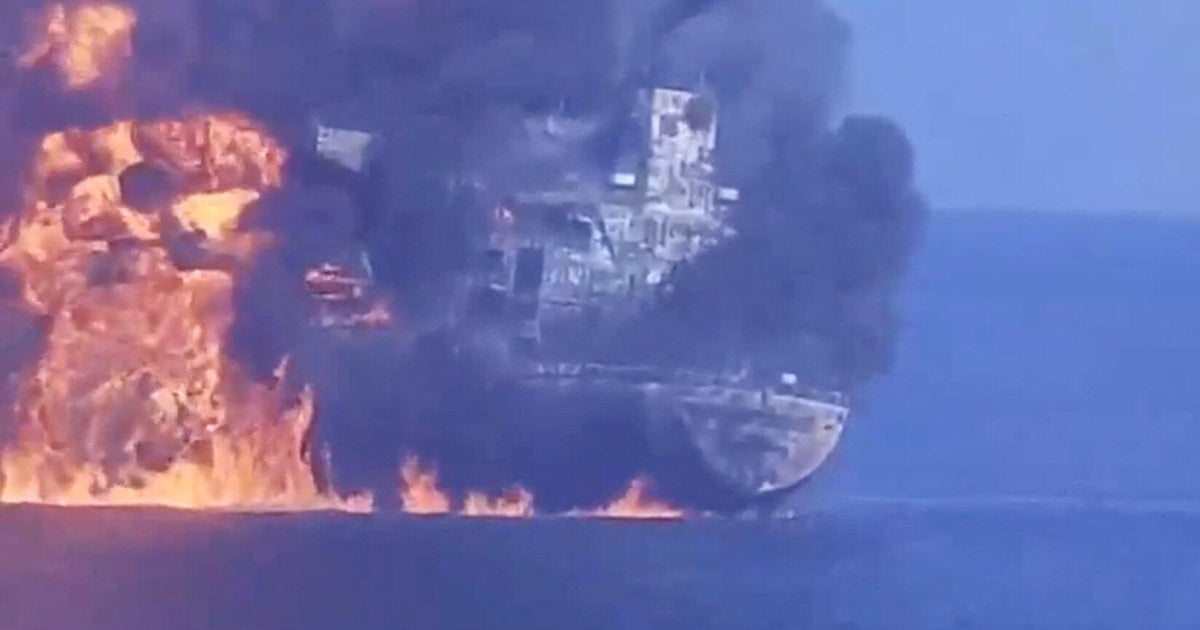
Tensions intensified across the Persian Gulf as Iran’s Islamic Revolutionary Guard Corps claimed two oil tankers were burning in the Strait of Hormuz after striking sea mines. Iranian state media reported that one of the vessels was a supertanker carrying over 2 million barrels of crude oil. The incidents allegedly occurred near the Omani port of Khasab, an area where Tehran has repeatedly warned international shipping to avoid southern transit lanes despite U.S. military assurances of safety.
Rear Adm. Ali Azmaei, a commander in the Iranian navy, reiterated warnings to global shipping firms that safe passage through the waterway is contingent on respecting Iranian sovereignty. He stated that the military has established the power to change the regional equation within the heart of the strait. These claims of mine strikes coincide with a separate report from British maritime authorities regarding an explosion near a tanker roughly 50 nautical miles west of Dubai, though that vessel was not damaged.
The human toll of the maritime conflict rose as Jordanian authorities confirmed the recovery of a missing sailor’s body off the coast of the United Arab Emirates. Mohamed Hossam al-Din al-Otaibi disappeared last week following an Iranian attack on a vessel operated by the UAE’s state energy company. That specific assault left 11 other crew members injured and triggered a multi-national search operation involving Omani and Emirati authorities.
Commercial shipping through the Strait of Hormuz has plummeted as a result of the persistent threat. Industry data shows weekly transits dropped from 217 to 147 during the first three weeks of November. Current tanker crossings average just 11 per day, a sharp decline from the 50 daily transits recorded before the conflict began in February, with many masters now choosing to disable tracking systems to avoid detection.
International maritime regulators have documented 141 attacks on commercial vessels in the region since February, with 15 occurring this month alone. October remains the most volatile period on record with 35 ships targeted. The continued disruption to supply lines has pushed energy markets higher as traders weigh the risk of a prolonged blockade in the world's most sensitive oil corridor.
More in Business & Markets

ASEAN Plus Three Nations Agree to Explore Crypto Payment Cooperation
ASEAN members along with China, Japan, and South Korea have launched an initiative to bridge domestic digital payment networks and align crypto asset oversight.

Trump-Linked Crypto Token WLFI Plunges 50% to Record Lows
The WLFI cryptocurrency token dropped over 50% to an unprecedented low, with blockchain data indicating large ether outflows from an associated wallet.

Royal Mail Refuses Postbox Replacement in Devon Village Over Rocky Ground
A remote Devon village has been told their missing postbox will not be replaced, with Royal Mail citing ground conditions as the latest reason for the refusal.

Binance Secures Regulatory Approval to Establish Bhutan Asia Hub
Binance has received in-principle approval to operate in Bhutan, marking a significant expansion of its Asian infrastructure.
Trending Now on Earth Daily Record