Israeli Rivals Begin Talks to Break Election Deadlock
The move comes as both caretaker Prime Minister Benjamin Netanyahu and opposition leader Gadi Eisenkot lack a clear parliamentary majority.

Talks have commenced between Israel's caretaker Prime Minister Benjamin Netanyahu and opposition leader Gadi Eisenkot, aiming to resolve the political deadlock that followed last month's national election. The two leaders are seeking a path to form a government after neither of their blocs secured a majority in the 120-seat Knesset.
October's election results left Netanyahu's bloc with 53 seats, while Eisenkot's four-party alliance garnered 48 seats. This outcome has prevented either side from independently forming an administration, pushing the country into further political uncertainty ahead of a December 6 deadline for Eisenkot to assemble a coalition.
Netanyahu proposed a national unity government over the weekend, including a rotating premiership. In a social media post on Saturday, he stated his responsibility as a leader compelled him to "put everything aside, including the principle of the largest party," adding he would agree to Eisenkot serving "first as prime minister, while I will serve as alternate prime minister at the beginning of the term." Netanyahu cited "the magnitude of the existential danger and the possibility that a government will be formed that does not have the capacity to deal with this danger" as his motivation.
Eisenkot, a former army chief, responded by inviting Netanyahu to "genuine and accelerated negotiations." The centrist Yashar party leader said he was ready to assess the seriousness of Likud's intentions within 24 hours regarding a "detailed proposal" his party sent to Netanyahu last Sunday, which he stated had not received a response. Eisenkot had previously accused Netanyahu's Likud party of stalling coalition talks to force new elections.
Israel's President Isaac Herzog tasked Eisenkot with forming a government within 28 days after consulting all parties following the October 27 election. Eisenkot has made some progress, securing coalition agreements with two parties, but faces challenges, including opposition to working with Arab parties and difficulties in reaching deals with ultra-Orthodox factions. Two Arab-led alliances secured 19 seats in the election, potentially holding decisive influence, but most Jewish parties pledged not to form a government with them.
More in Politics

Spaniards Vote in General Election as Sánchez Faces Tight Race
Millions of Spaniards are casting ballots in a snap general election today. Prime Minister Pedro Sánchez's Socialist party faces a strong challenge from the conservative People's Party, which may need far-right Vox support to form a government.
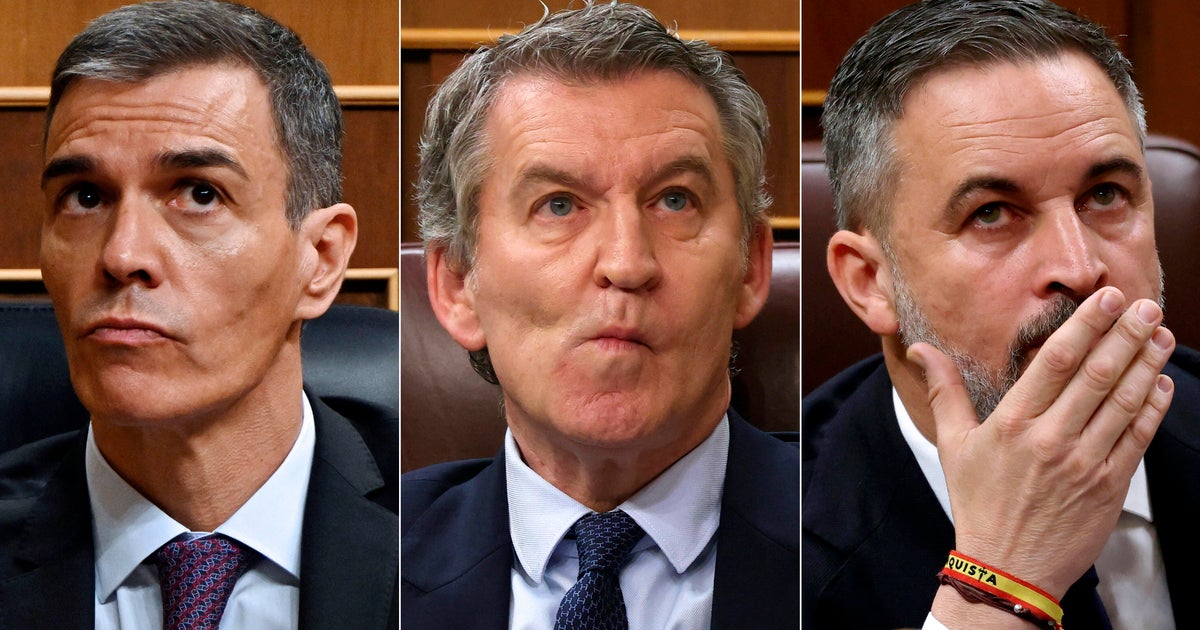
Spain Election Poised for Far-Right Surge
Spain's snap election on Sunday could see the far-right Vox party enter government for the first time since the end of the Franco dictatorship. Key issues include housing, immigration, and corruption.

Former Paraguay Economy Minister Arrested After Major Bank Collapse
Former economy minister Carlos Fernandez Valdovinos turned himself in to authorities as investigations into the Ueno Bank crisis continue in Paraguay.

UK Prime Minister Burnham Draws Fire Over Influencer Tactics
UK Prime Minister Andy Burnham is facing scrutiny over his extensive use of social media influencers, following a deleted video by a personality who attended a Downing Street event.



