EU Leaders Stall on $1.7 Trillion Budget Amid Spending Disputes
Negotiators face mounting pressure to finalize the bloc's next long-term financial framework before 2027 elections complicate talks.

European leaders failed to break a deadlock over the EU's next long-term budget on Thursday, leaving negotiators under pressure to meet their year-end target before a busy 2027 election cycle adds further complications.
National leaders are divided over the European Union's next long-term budget, which sets spending priorities and limits from 2028 to 2034. The plan, totaling 1.58 trillion euros ($1.73 trillion), represents a downward revision of about 10% from earlier proposals. Agreement requires unanimous approval from all 27 member states and a majority vote in the European Parliament.
Talks at a summit in Brussels lasted 12 hours, with conflicts emerging over spending priorities and aid for Ukraine. German Chancellor Friedrich Merz told reporters that the talks had brought "new movement" toward reducing the overall budget size, but stressed "The European Union comprises of 27 member states, not 23 or 24." Merz, alongside leaders from Denmark, the Netherlands, Austria, Finland, and Sweden, had previously called for the original 2-trillion-euro proposal to be reduced by "several hundred billion euros."
The six countries, which finance nearly 40% of the budget contributions, called for funding to focus on defense, competitiveness, innovation, and combating irregular migration. However, European Council President António Costa stated after the meeting that "Regarding the global volume of the budget, some member states asked for further reductions, most opposed further cuts. And some even proposed to reverse some cuts."
Some European parliamentarians expressed concern over the proposed cuts. Romanian MEP Siegfried Mureşan said, "Parliament is consistent and proposes more investments, [the] Council is inconsistent and proposes cuts." He added that prime ministers cannot dictate to the European Parliament to adopt a budget deemed too small to equip Europe for the future.
The budget negotiations occur against a backdrop of surging government borrowing costs, spiraling inflation, and sluggish growth across the continent. Elections are also slated in key EU economies like Spain, Poland, and Italy over the next 12 months, with France's spring presidential election also at the forefront of leaders' minds.
More in World
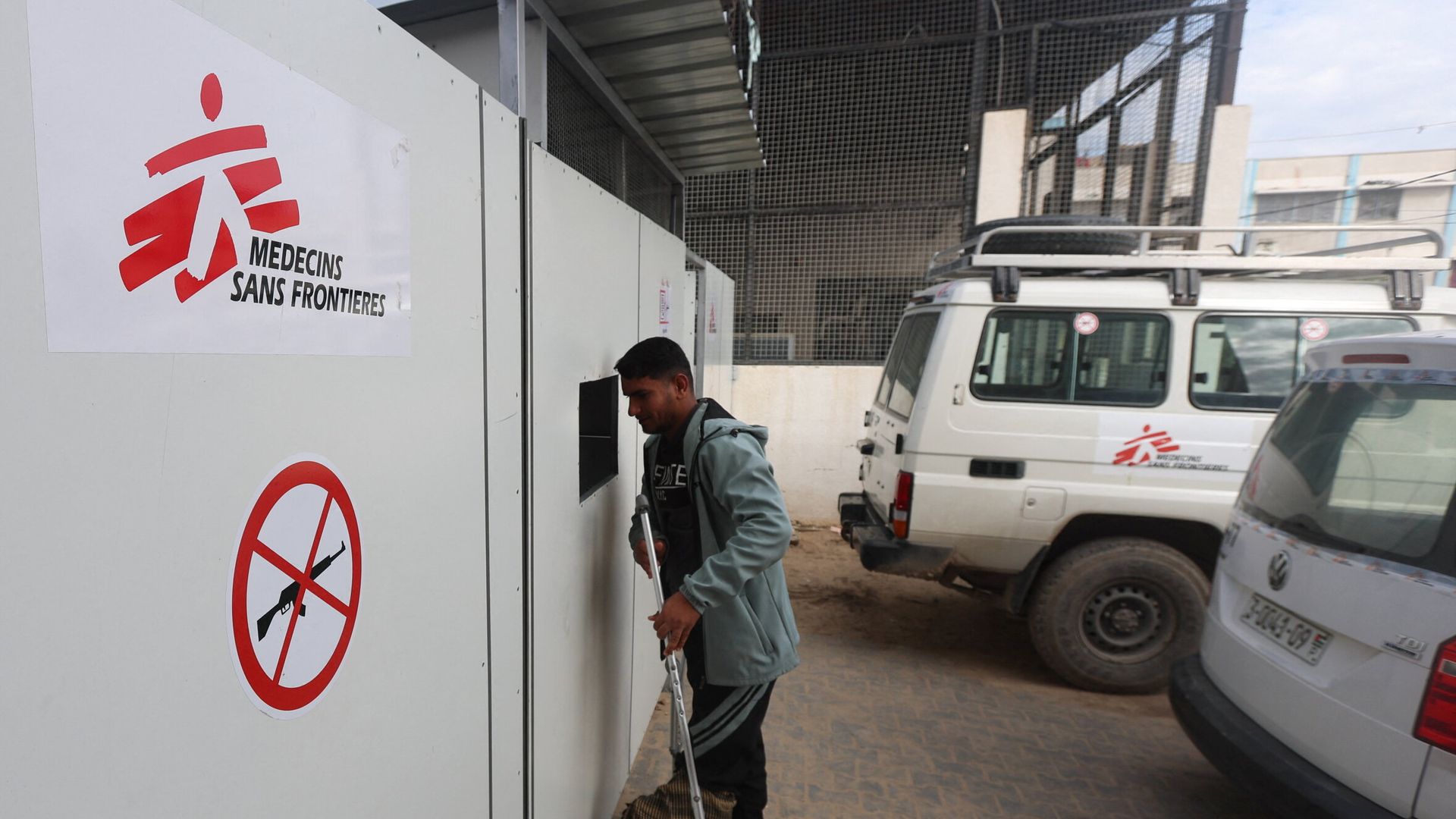
Doctors Without Borders 'Outraged' After Staff Killed in Gaza
Doctors Without Borders expressed 'devastation and outrage' after two civil guards at one of its offices in Gaza were killed in an Israeli strike.

Gaza Chess Players Revive Competitive Community Following Years of Conflict
A new community initiative named Stalemate has grown to nearly 500 members as players in Gaza seek to restore the sport despite ongoing siege conditions and destroyed infrastructure.

Kate in tears over her children's voice messages in cancer documentary
The Princess of Wales was visibly moved by voice messages from her children while filming a documentary about her cancer treatment. The emotional moment occurred during her Three Peaks Challenge.

Yemen Government Strikes Houthi Targets Amid Rising Hunger Crisis
Yemeni government forces, backed by a Saudi-led coalition, launched multiple air strikes against Houthi-held areas, claiming significant casualties. The renewed fighting coincides with urgent warnings from UN agencies about escalating food insecurity and displacement.