Eurozone Inflation Hits Three-Year High, Squeezing Households
Millions across the continent face mounting financial pressures as energy costs and everyday expenses continue to climb ahead of winter.

Millions of people across Europe are bracing for another challenging winter of rising bills, tighter household budgets, and difficult financial choices. Inflation in the eurozone has surged to its highest level in three years, driven primarily by ongoing conflict in the Middle East disrupting oil and gas supplies, which in turn elevates energy prices and the cost of essential goods.
The eurozone has seen inflation double from 2 percent in December 2025 to 4 percent by October 2026. Energy costs have been the biggest contributor to this increase, with energy inflation climbing to 21 percent in October, a level not seen since December 2022. This spike is pushing up expenses across transport, heating, and food sectors.
In Athens, Giorgos, a 40-year-old journalist and father, described his struggle despite a salary increase over the past two years. "Just as before, I’m still borrowing money just to make ends meet," he said. He noted that even a gyros souvlaki sandwich, a traditional affordable meal, now costs more than 4 euros.
Data from the European Central Bank indicates that Lithuania, Bulgaria, and Greece currently have the highest inflation rates in the eurozone, at 6.1 percent, 5.9 percent, and 5.7 percent respectively. Other nations have also experienced significant increases, with Cyprus seeing a jump from 0.1 percent to 5.4 percent, and Italy from 1.2 percent to 5.6 percent. Belgium's inflation rose from 2.2 percent to 5.2 percent, and France's from 0.7 percent to 3.7 percent.
The financial squeeze is impacting daily life for many. In North London, Emma, 33, who works in corporate governance, has cut streaming subscriptions and switched to a cheaper brand of pet food. She also sees friends less frequently due to the nearly 10-pound cost of a return Tube journey, saying the situation "is detrimental to our mental health and has exacerbated the loneliness epidemic."
According to Eurostat, a typical basket of goods and services, including food, housing, energy, and transport, now costs 69 percent more than it did in 2000, with approximately two-fifths of that increase occurring in just the last four years. While this current rise remains below the peak following the 2022 Russian invasion of Ukraine, it represents a second significant shock for many families still recovering from the first.
More in World
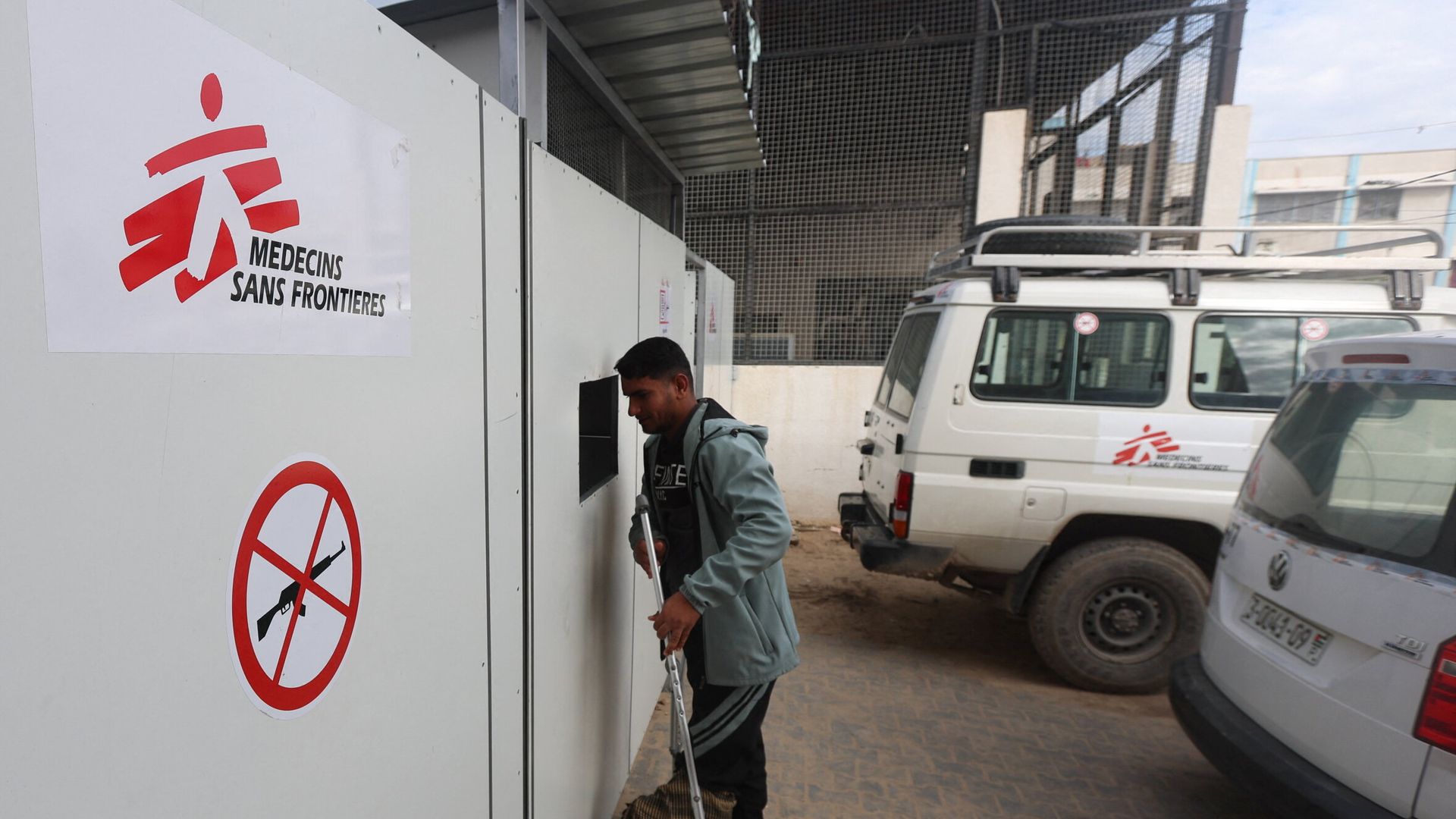
Doctors Without Borders 'Outraged' After Staff Killed in Gaza
Doctors Without Borders expressed 'devastation and outrage' after two civil guards at one of its offices in Gaza were killed in an Israeli strike.

Gaza Chess Players Revive Competitive Community Following Years of Conflict
A new community initiative named Stalemate has grown to nearly 500 members as players in Gaza seek to restore the sport despite ongoing siege conditions and destroyed infrastructure.

Kate in tears over her children's voice messages in cancer documentary
The Princess of Wales was visibly moved by voice messages from her children while filming a documentary about her cancer treatment. The emotional moment occurred during her Three Peaks Challenge.

Yemen Government Strikes Houthi Targets Amid Rising Hunger Crisis
Yemeni government forces, backed by a Saudi-led coalition, launched multiple air strikes against Houthi-held areas, claiming significant casualties. The renewed fighting coincides with urgent warnings from UN agencies about escalating food insecurity and displacement.