Khartoum Residents Tackle Growing Rubbish Crisis After War
Years of conflict have crippled essential public services, leaving streets choked with waste.

Residents in Khartoum, Sudan, are initiating community clean-up efforts as the capital grapples with overwhelming piles of rubbish, a stark symptom of public services crippled by years of war. The widespread accumulation of waste has transformed neighborhoods into open dumps, posing significant health and environmental challenges for returning populations.
Musa Abdelrahman, 54, who returned to Khartoum in March through a government repatriation program, found infrastructure and basic services exhausted. His neighborhood, once an epicenter of the conflict between the Sudanese Armed Forces (SAF) and Rapid Support Forces (RSF), now faces persistent foul smells and insect swarms due to absent waste collection. "The problem is not just about how the city looks; it has started affecting our daily lives," Abdelrahman said. "We want to live in a clean environment, with waste collection trucks operating regularly, rather than waiting for rubbish to pile up until it becomes a bigger problem."
The conflict, which erupted in April 2023 and has killed tens of thousands, created one of the world’s worst humanitarian crises, displacing millions and plunging poverty rates to 1980s levels. While the SAF recaptured the capital in March 2025, leading to a perceived return to safety and the lifting of a curfew, basic services have not recovered. About 2.88 million people had returned to Khartoum State by October 28, 2026, the highest number among Sudan’s states, with the capital and Omdurman also serving as refuges for others fleeing fighting in western and southern Sudan.
Saeed Koko, a refuse collection worker, explained that public services are struggling with limited resources. Before the war, waste collection covered most residential areas, though management had long been an issue. "Today, waste collection vehicles mainly operate in the major markets, while many residential neighbourhoods are left without regular waste collection services," Koko stated. He added that the war displaced many workers and led to a loss of specialized equipment, hindering efforts to manage the crisis. "We need more waste collection vehicles, equipment and workers."
The dire situation has forced residents like Sawsan Omar, who returned to Omdurman, to resort to burning rubbish piles. "Sometimes we cannot open the windows or sit outside because of the smells and smoke," Omar said, expressing concern for children and older people. She appealed to authorities for regular waste collection and containers in residential areas. "All we want is to live in a clean and safe environment and to feel that returning to our homes means returning to normal life."
More in World
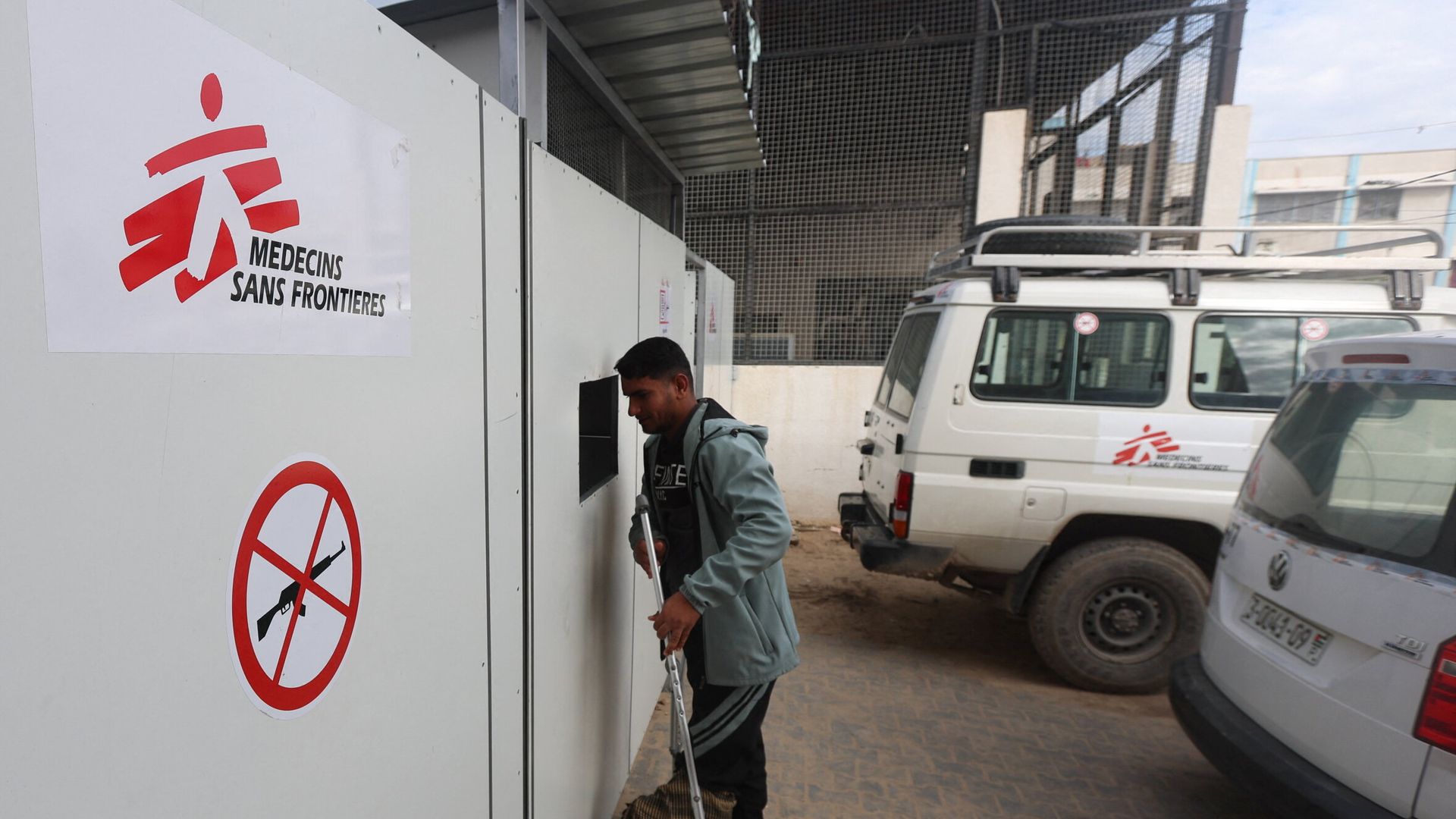
Doctors Without Borders 'Outraged' After Staff Killed in Gaza
Doctors Without Borders expressed 'devastation and outrage' after two civil guards at one of its offices in Gaza were killed in an Israeli strike.

Gaza Chess Players Revive Competitive Community Following Years of Conflict
A new community initiative named Stalemate has grown to nearly 500 members as players in Gaza seek to restore the sport despite ongoing siege conditions and destroyed infrastructure.

Kate in tears over her children's voice messages in cancer documentary
The Princess of Wales was visibly moved by voice messages from her children while filming a documentary about her cancer treatment. The emotional moment occurred during her Three Peaks Challenge.

Yemen Government Strikes Houthi Targets Amid Rising Hunger Crisis
Yemeni government forces, backed by a Saudi-led coalition, launched multiple air strikes against Houthi-held areas, claiming significant casualties. The renewed fighting coincides with urgent warnings from UN agencies about escalating food insecurity and displacement.