UN Tribunal Rejects Argentina Bid to Block Falkland Islands Oil Project
Judges ruled the international court lacks jurisdiction to halt drilling in the disputed waters of the South Atlantic.

A United Nations-backed international tribunal on Saturday rejected Argentina's legal challenge to block a major oil exploration project near the Falkland Islands. The International Tribunal for the Law of the Sea voted 18 to 3 against the Argentinian government's request to halt the venture, which is located approximately 130 miles from the British overseas territory. The decision removes a major legal hurdle for energy firms planning to tap into vast offshore reserves.
The court's president stated there was no basis for jurisdiction because the tribunal cannot rule on matters of territorial sovereignty. Argentina had argued that the Sea Lion oilfield project should be suspended due to the ongoing dispute over the islands, which Britain has long maintained are under its control. The ruling emphasizes that the court's mandate does not extend to settling historical land and maritime boundary disputes between nations.
The Sea Lion oilfield contains an estimated 1.7 billion barrels of oil. Britain's Rockhopper Exploration and Israel's Navitas Petroleum are scheduled to begin extraction within two years. This development is expected to generate significant revenue for the roughly 3,500 residents of the islands. Local officials have welcomed the potential for economic growth, while Argentina maintains that the drilling violates its territorial integrity.
Argentinian officials claimed the marine environment in the area is protected by international law and should not be disturbed while sovereignty remains contested. However, Britain has consistently rejected these claims. In a 2013 referendum, 99.8% of islanders voted to remain a British overseas territory, with only three people voting against the status quo. The UK government continues to cite this vote as the primary basis for its administration of the islands.
The territorial dispute previously escalated into a 74-day war in 1982 after Argentine forces landed on the islands. A British military task force eventually reclaimed the territory in a conflict that resulted in the deaths of 255 British personnel, 649 Argentine military members, and three islanders. Despite the decades that have passed since the conflict, the South Atlantic waters remain a point of intense diplomatic friction.
More in World
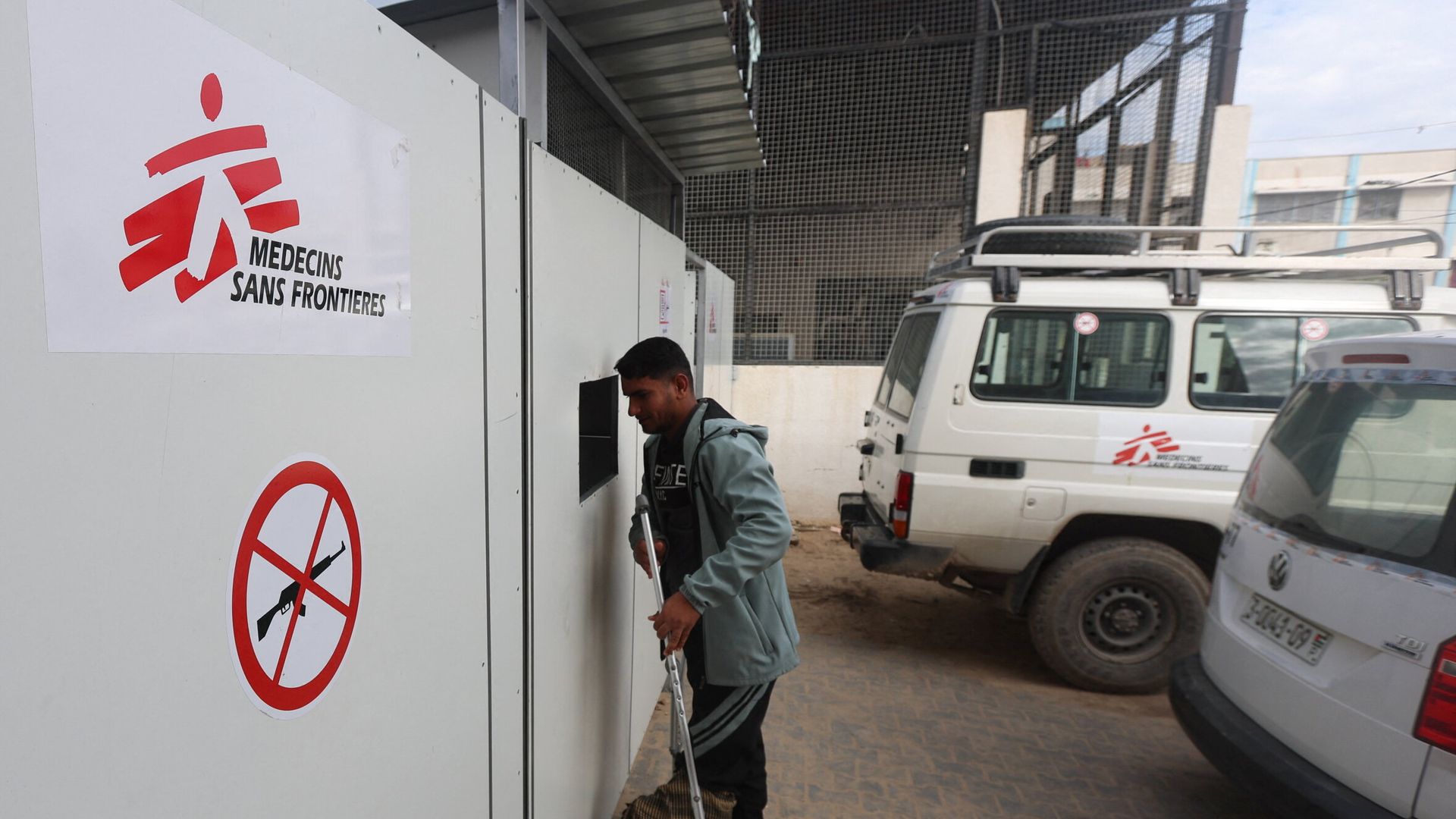
Doctors Without Borders 'Outraged' After Staff Killed in Gaza
Doctors Without Borders expressed 'devastation and outrage' after two civil guards at one of its offices in Gaza were killed in an Israeli strike.

Gaza Chess Players Revive Competitive Community Following Years of Conflict
A new community initiative named Stalemate has grown to nearly 500 members as players in Gaza seek to restore the sport despite ongoing siege conditions and destroyed infrastructure.

Kate in tears over her children's voice messages in cancer documentary
The Princess of Wales was visibly moved by voice messages from her children while filming a documentary about her cancer treatment. The emotional moment occurred during her Three Peaks Challenge.

Yemen Government Strikes Houthi Targets Amid Rising Hunger Crisis
Yemeni government forces, backed by a Saudi-led coalition, launched multiple air strikes against Houthi-held areas, claiming significant casualties. The renewed fighting coincides with urgent warnings from UN agencies about escalating food insecurity and displacement.
Trending Now on Earth Daily Record


