U.S. DEA Tip Line in Mexico Draws Presidential Rebuke
Mexico's president criticized the new U.S. tip lines as interference, citing American failures to fight fentanyl.
Mexico's President Claudia Sheinbaum has sharply criticized the U.S. Drug Enforcement Administration (DEA) for establishing anonymous tip lines within Mexico. She accused American officials of "interference" and insufficient efforts to combat fentanyl and corruption inside their own borders. Her comments followed a recent announcement by DEA Administrator Terry Cole regarding the new tip service.
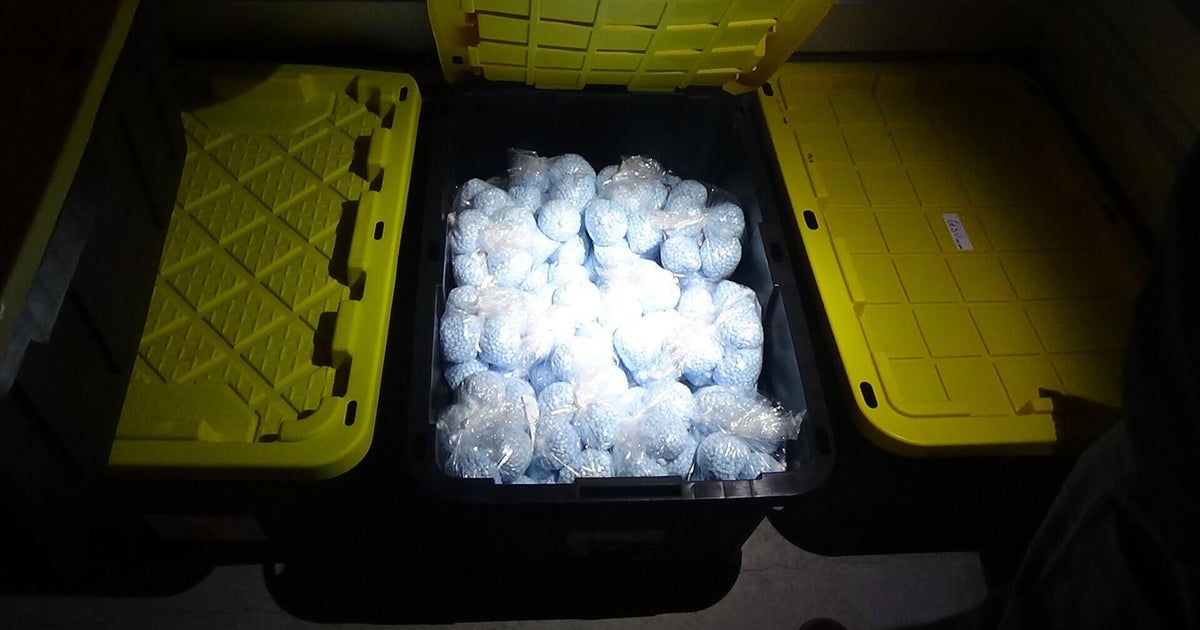
President Sheinbaum, speaking on Thursday, cited a new investigation revealing how the DEA tracked a drug trafficking ring for eight months, during which at least 1.4 million counterfeit fentanyl pills went unseized. "The DEA has plenty of work to do in its own country. A lot," Sheinbaum stated. She suggested the agency should first investigate "corruption in the United States linked to organized crime, or what they call terrorist groups." She added that the tip lines were "clearly an act of interference," posing a hypothetical scenario if Mexico were to open a service for reporting U.S. corruption.
DEA Administrator Terry Cole had announced the tip lines on his social media account, encouraging Mexican citizens to report members of criminal networks in Sinaloa state, along with corrupt officials and individuals involved in money laundering for narcoterrorism. Cole specified that tips submitted via Signal, WhatsApp, and email would be handled confidentially, assuring that "Your information matters. Your identity and your safety matter." The United States has increased pressure on Mexico to fight cartels, even offering to deploy troops on Mexican soil, a proposal Sheinbaum has consistently rejected, though she maintains security cooperation with Washington "without subordination."
This diplomatic friction comes despite recent security cooperation between the two nations. On November 20, Mexican military forces captured drug lord Fausto Isidro Meza Flores, known as "El Chapo Isidro," a key ally of a Sinaloa cartel faction who was on the FBI's most-wanted list. Mexico requested U.S. support for the operation, with the United States providing a drone for intelligence gathering. However, Mexican Attorney General Ernestina Godoy later stated that Meza Flores would be tried in Mexico, despite a U.S. request for his extradition.
Broader tensions have also surfaced, including in late April when U.S. federal prosecutors in New York indicted Sinaloa Governor Rubén Rocha Moya, a member of Mexico's governing party, on drug trafficking charges. He and nine other officials were accused of collaborating with a Sinaloa cartel faction. While Rocha Moya took an indefinite leave of absence and his Mexican bank accounts were frozen, Mexican authorities declined the U.S. request for his arrest. DEA whistleblowers in June revealed that agents in New Mexico had permitted hundreds of thousands of fentanyl pills to go unseized in recent years.
More in World
Doctors Without Borders 'Outraged' After Staff Killed in Gaza
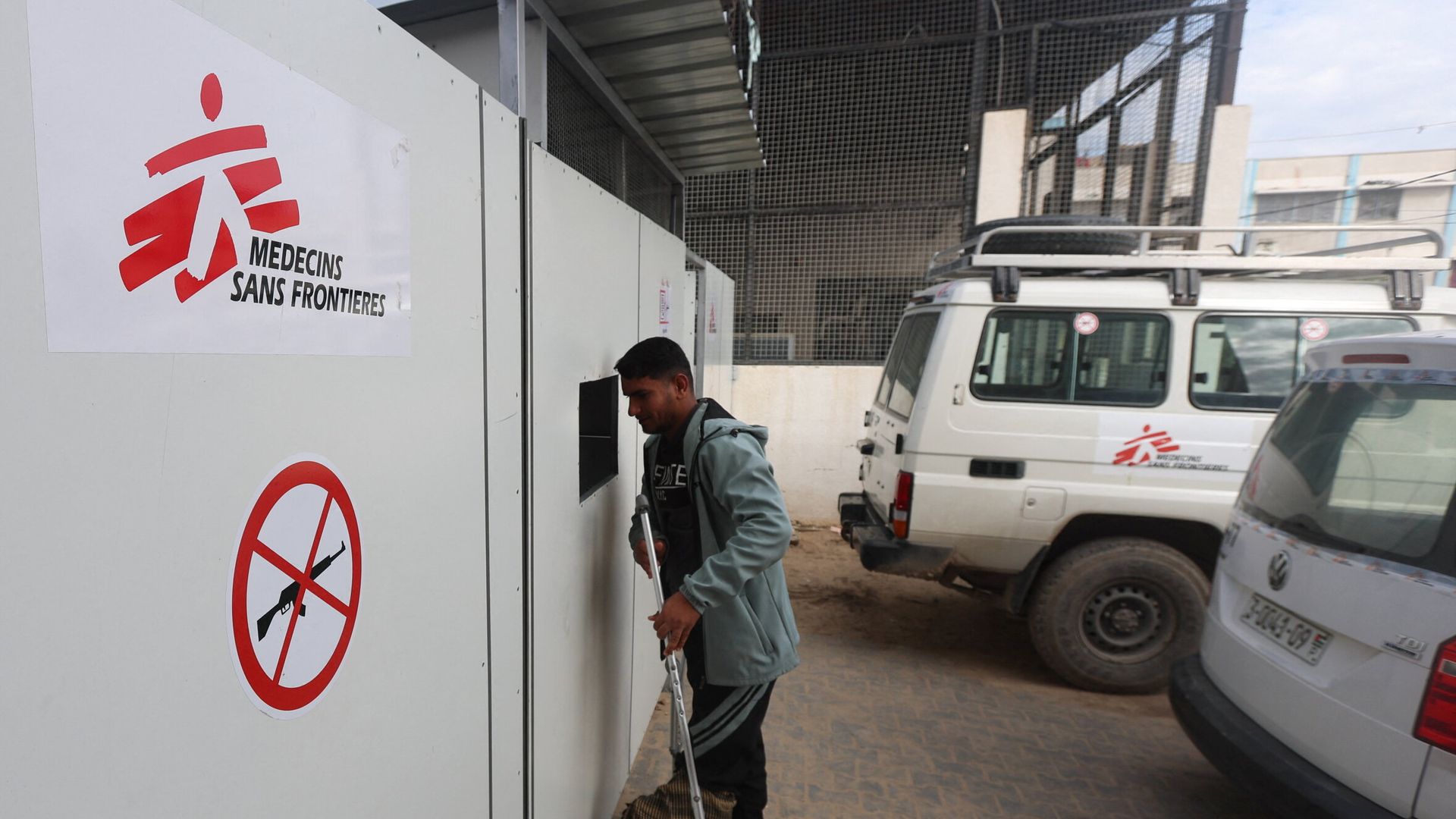
Doctors Without Borders expressed 'devastation and outrage' after two civil guards at one of its offices in Gaza were killed in an Israeli strike.

Gaza Chess Players Revive Competitive Community Following Years of Conflict
A new community initiative named Stalemate has grown to nearly 500 members as players in Gaza seek to restore the sport despite ongoing siege conditions and destroyed infrastructure.

Kate in tears over her children's voice messages in cancer documentary
The Princess of Wales was visibly moved by voice messages from her children while filming a documentary about her cancer treatment. The emotional moment occurred during her Three Peaks Challenge.

Yemen Government Strikes Houthi Targets Amid Rising Hunger Crisis
Yemeni government forces, backed by a Saudi-led coalition, launched multiple air strikes against Houthi-held areas, claiming significant casualties. The renewed fighting coincides with urgent warnings from UN agencies about escalating food insecurity and displacement.