US Thanksgiving Meal Costs Rise 11 Percent as Food Inflation Hits Households
Families are turning to potluck dinners and short-term loans as turkey and side dish prices climb for the first time since 2022.

American households are facing higher grocery bills this Thanksgiving, with the cost of a traditional holiday meal rising 11 percent over the past year. As families gather across the United States on Thursday, many are adjusting their traditions to cope with double-digit price hikes for staples like turkey and green beans. The price surge follows a period of relative stability, marking the first year-over-year increase in holiday food costs since 2022.
Data from The Century Foundation indicates that the centerpiece turkey has jumped 26 percent in price compared to 2025. Side dishes are also seeing sharp increases, with 1.5-pound bags of green beans rising 36.7 percent to $4.08, while Granny Smith apples and Russet potatoes have climbed 10.2 percent and 6.8 percent respectively. The American Farm Bureau expects a 10-person meal to cost 6 percent more this year, reflecting broad pressure on the agricultural sector.
Analysts attribute the price surge to supply chain disruptions and increased production costs. The conflict involving the U.S. and Israel against Iran has pressured the Strait of Hormuz, driving up global fuel and fertilizer prices. During the spring planting season, urea prices rose by 50 percent, forcing farmers to pass those expenses down the supply chain. Tariffs on steel used in canning have also increased the cost of shelf-stable goods, prompting manufacturers to raise prices on a majority of their products.
The financial strain is changing how Americans celebrate. Kyle Moore, chief economist at The Century Foundation, said families are now forced to decide how many people they can afford to feed. In Brooklyn, New York, small grocery store owner Baris Avci said he is selling staples like eggs and milk almost at cost to help struggling neighbors. Shoppers reported that their families are switching to potluck arrangements because the cost of hosting a full meal has become prohibitive for a single household.
While some large retailers are using their scale to offer holiday meal packages at lower rates than last year, many consumers are still struggling to bridge the gap. According to a report from LendingTree, roughly 62 percent of hosts plan to borrow money to cover holiday expenses this year. About 18 percent of those hosts are expected to use buy now, pay later deferred payment plans to manage the immediate cost of the dinner table.
More in World
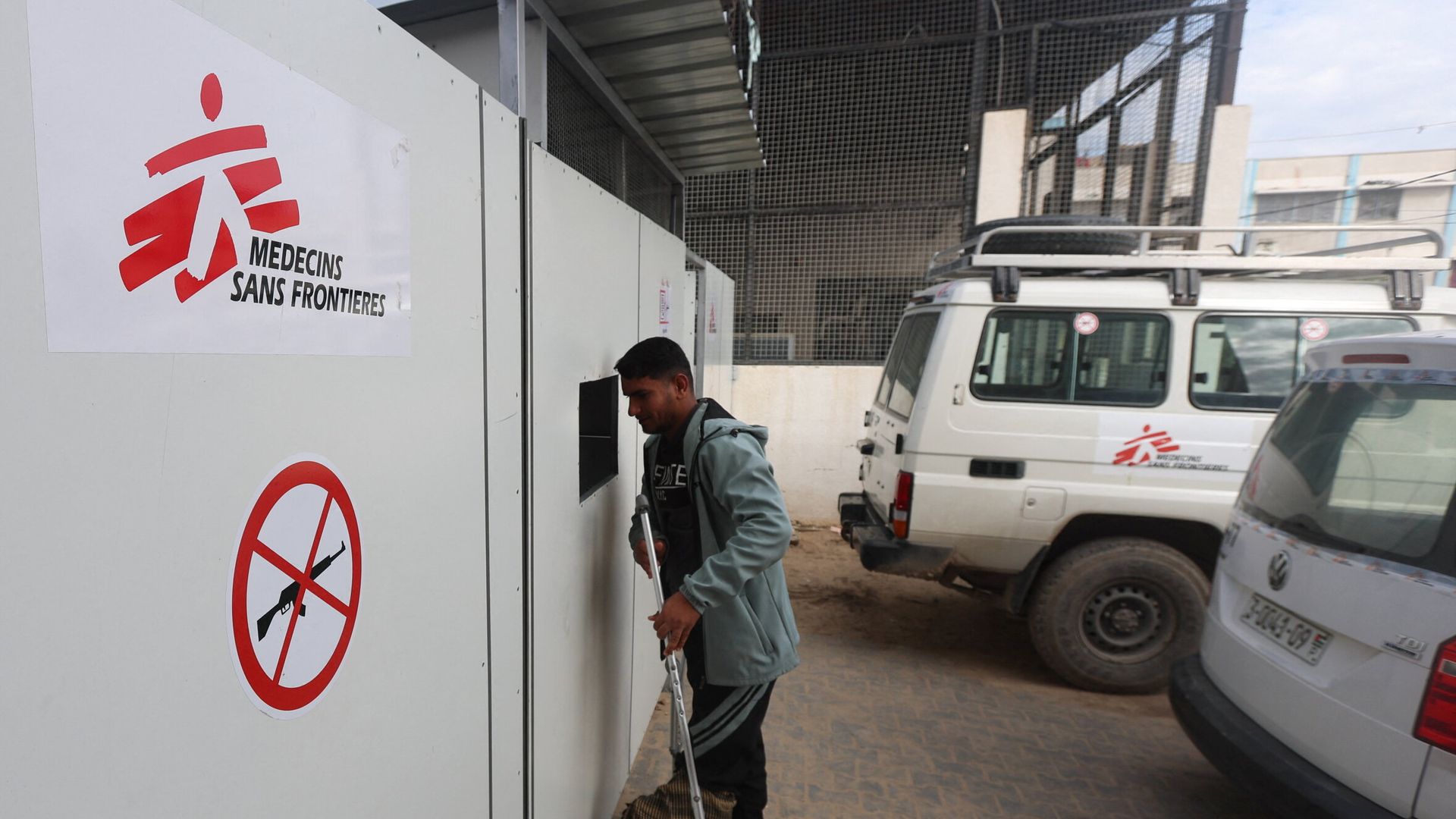
Doctors Without Borders 'Outraged' After Staff Killed in Gaza
Doctors Without Borders expressed 'devastation and outrage' after two civil guards at one of its offices in Gaza were killed in an Israeli strike.

Gaza Chess Players Revive Competitive Community Following Years of Conflict
A new community initiative named Stalemate has grown to nearly 500 members as players in Gaza seek to restore the sport despite ongoing siege conditions and destroyed infrastructure.

Kate in tears over her children's voice messages in cancer documentary
The Princess of Wales was visibly moved by voice messages from her children while filming a documentary about her cancer treatment. The emotional moment occurred during her Three Peaks Challenge.

Yemen Government Strikes Houthi Targets Amid Rising Hunger Crisis
Yemeni government forces, backed by a Saudi-led coalition, launched multiple air strikes against Houthi-held areas, claiming significant casualties. The renewed fighting coincides with urgent warnings from UN agencies about escalating food insecurity and displacement.
Trending Now on Earth Daily Record